I’ve always thought I was healthy—athletic, active, eating well, managing stress. I even breastfed Bella for 15 months (mostly because she REFUSED a bottle—stubbornness runs in her family).
Then cancer hit. And I went on a mission. I stripped our home of toxins, overhauled my diet, and started researching everything—medical, holistic—anything I could add to my Fuck You Cancer arsenal.
On day one, I cut everything inflammatory from my diet: processed meats, alcohol, sugar, refined carbs, trans fats. I also limited my red meat and salt intake (the salt part is hard for me—I love salty).
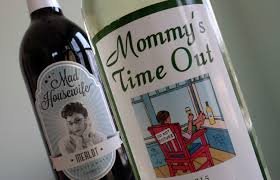
I came across this article recently that I felt compelled to share. I’ve fallen for the “red wine is good for you,” “mommy juice,” and “Wine-Down [insert day of the week]” myths and excuses to have a drink or two (or three) over the years. But the science is clear: alcohol offers zero health benefits. In fact, it’s harmful—raising the risk of high blood pressure, heart disease, strokes, brain damage, and cancer, among others.
I’ve lost friends to alcoholism, but that’s not the only danger. The risks go far beyond addiction. This is information worth sharing—loudly, often, and everywhere.
“Researchers estimate that alcohol accounts for 15 percent of US breast cancer cases and deaths—about 35,000 and 6,600 a year, respectively. That’s about three times more than the number of breast cancer cases caused by a mutation of the BRCA genes, which prompted Angelina Jolie, who carries one of the abnormal genes, to have both her healthy breasts removed in 2013. The breast cancer risk from alcohol isn’t nearly as high as the lung cancer risk from smoking. But alcohol-related breast cancer kills more than twice as many American women as drunk drivers do. And alcohol is one of the few breast cancer risk factors women can control. Others, like starting menstrual periods before the age of 12 and entering menopause after 55, are baked in.
Overall, American women have about a 12 percent lifetime risk of getting breast cancer. Walter Willett, an epidemiology professor at the Harvard T.H. Chan School of Public Health who has conducted studies on alcohol and breast cancer, says a woman who consumes two to three drinks a day has a lifetime risk of about 15 percent—a 25 percent increase over teetotalers. By comparison, mammography reduces the death rate from breast cancer by about 25 percent. “Alcohol can undo all of that at about two drinks a day,” Willett says.”
Other sources: